Detailed comparison between taking L-Lysine as a single supplement versus Herpafend's comprehensive formula, examining effectiveness, convenience, cost, and which approach might work better for different situations.
While L-Lysine alone can be effective for some people, Herpafend's multi-ingredient formula addresses herpes management from multiple angles simultaneously, potentially providing more comprehensive support.
L-Lysine supplementation has been the most popular natural approach to herpes management for decades, with solid research supporting its effectiveness. Herpafend represents a newer approach that includes L-Lysine as its primary ingredient but adds seven additional compounds designed to enhance overall effectiveness.
Both approaches have merit, and the best choice depends on individual needs, preferences, and how your body responds to different supplementation strategies.
Taking L-Lysine as a standalone supplement, typically at doses of 1000-3000mg daily, focuses specifically on the amino acid competition mechanism that inhibits viral replication.
Herpafend provides 1200mg L-Lysine plus seven additional ingredients designed to support immune function, reduce inflammation, and provide antioxidant protection in a single, convenient formula.
Both approaches can be effective, but they work through different mechanisms and may suit different types of users:
L-Lysine alone has more direct clinical studies, while Herpafend's approach is based on the combined research of individual ingredients. Both have theoretical and practical support, but individual responses vary significantly.
L-Lysine alone may work better for:
Herpafend may work better for:
The cost difference becomes more significant over time, making this an important consideration for long-term use:
L-Lysine alone: $180-360 per year (depending on dosage and brand)
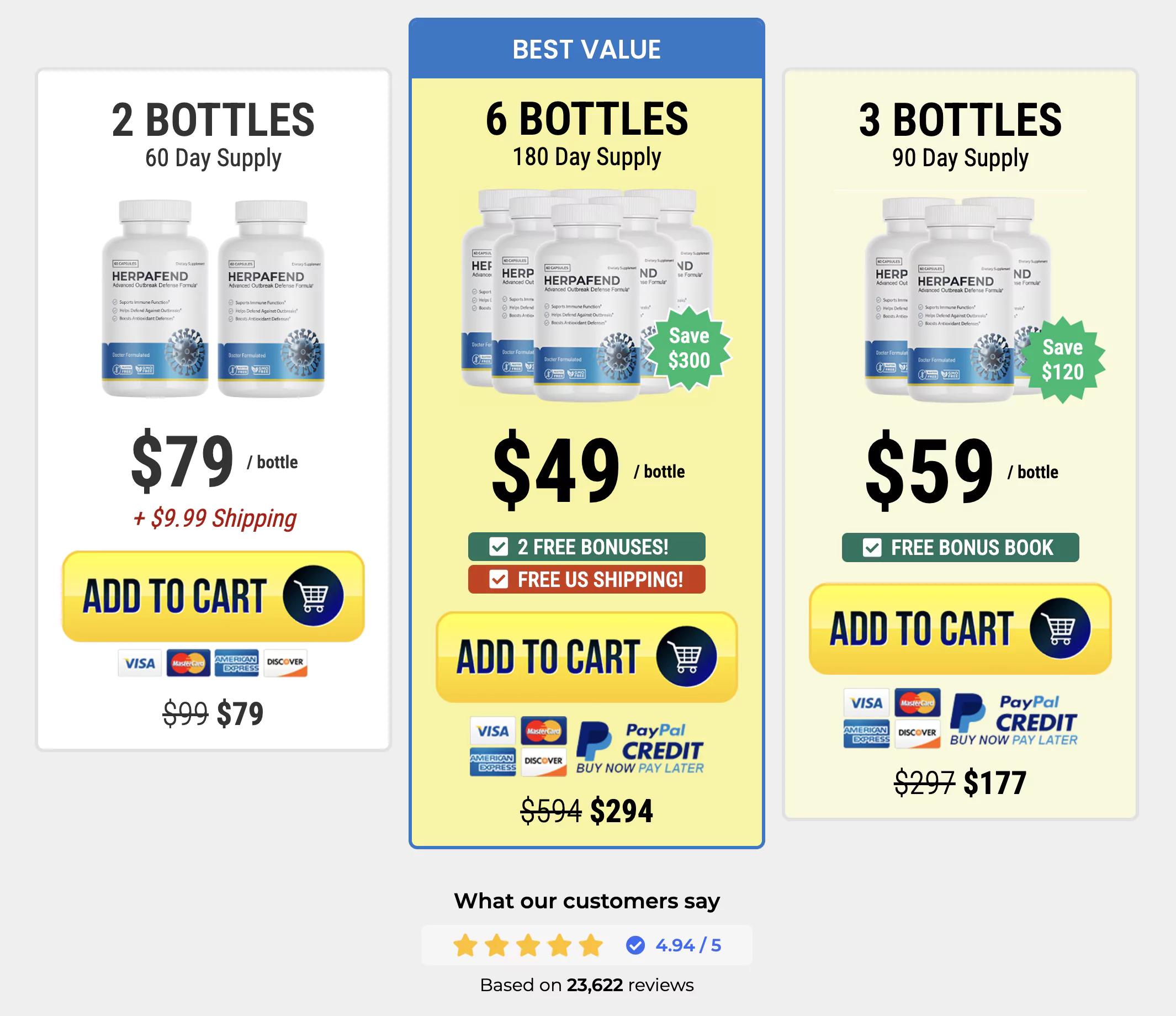
Herpafend: $588-828 per year (depending on package deals)
Difference: Herpafend costs approximately 2-3x more annually
Note: Adding additional supplements to L-Lysine (Vitamin C, Zinc, etc.) can narrow this cost gap
Many users have tried both approaches, providing valuable insights into the practical differences:
Users who switched from L-Lysine to Herpafend often report:
Users who switched from Herpafend to L-Lysine often cite:
Some users develop hybrid approaches that combine elements of both strategies:
Common combination approaches:
The quality and form of L-Lysine can vary significantly between products:
L-Lysine supplement considerations:
Herpafend advantages:
Based on user feedback and theoretical considerations, here are guidelines for choosing between approaches:
L-Lysine alone is likely better if you:
Herpafend is likely better if you:
If you decide to switch from one approach to another, here are practical considerations:
Switching from L-Lysine to Herpafend:
Switching from Herpafend to L-Lysine:
Both L-Lysine alone and Herpafend can be effective approaches to natural herpes management. The choice depends on your priorities, budget, and individual response patterns:
Start with L-Lysine alone if: You prefer simple, cost-effective approaches and want to see how you respond to the most researched single ingredient for herpes management.
Start with Herpafend if: You want a comprehensive approach from the beginning and value the potential additional benefits of immune support and anti-inflammatory effects.
Consider switching if: Your current approach isn't providing the results you want after 3-4 months of consistent use.
Remember that consistency with either approach is more important than which specific approach you choose. The best supplement is the one you'll take daily as directed for the long term.

This page is maintained by an independent editorial team that researches ingredient sourcing, cross-checks label claims against published research, and reads through user reports before publishing anything here. We earn a commission if you buy through our links — see our disclosure for details.
Everything you need to make an informed decision about HerpaFend
Disclaimer: This product is not intended to diagnose, treat, cure, or prevent any disease. Individual results may vary. This site may earn a commission from qualifying purchases. © 2026 HerpaFend Reviews. All Rights Reserved.